
801-613-2759 sale@jfitzelectrical.com

What is a Water Pressure Vessel and Its Applications?

A Water Pressure Vessel is a critical component in various industrial applications. It is designed to store water under pressure, ensuring a reliable supply for processes. These vessels are built from durable materials, allowing them to withstand high pressures and temperatures.

In industries such as manufacturing, chemical processing, and water treatment, Water Pressure Vessels play a vital role. They contribute to system efficiency by maintaining consistent pressure. However, it's essential to monitor their condition regularly. Neglecting maintenance can lead to failures, disrupting operations.

Understanding the function and maintenance of a Water Pressure Vessel is crucial. Ensure you have regular inspections and proper installation. This will enhance safety and improve lifespan. Adopting best practices can prevent costly mistakes and ensure your systems operate smoothly.
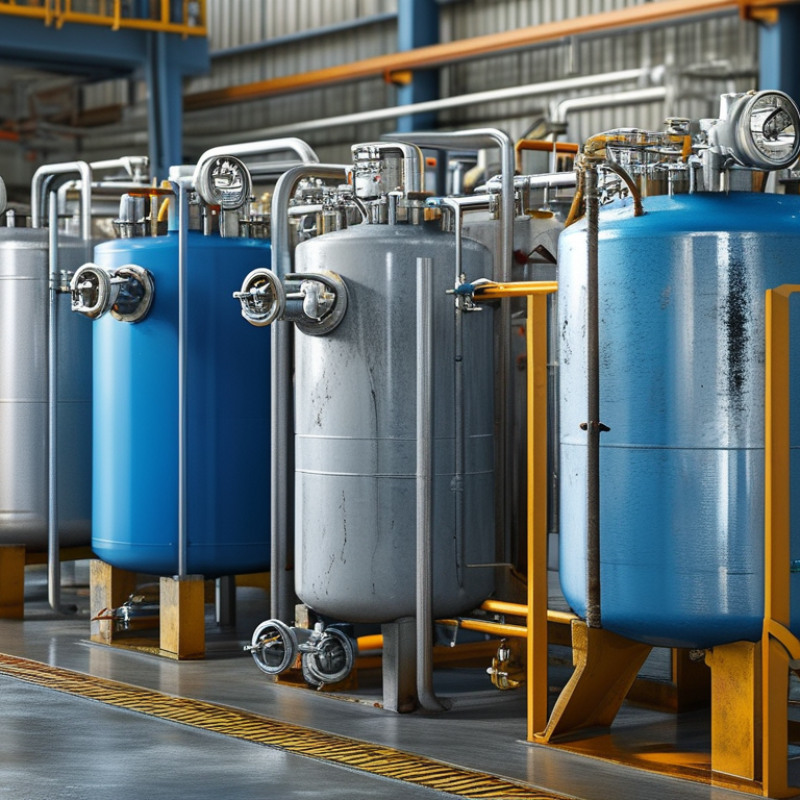
What is a Water Pressure Vessel and Its Applications?

What is a Water Pressure Vessel? Definition and Overview

A water pressure vessel is a container designed to hold water under high pressure. It plays a crucial role in various industries, ensuring consistent water supply and effective pressure management. These vessels come in different shapes and sizes, depending on their specific application and requirements.

In residential plumbing systems, water pressure vessels help stabilize water pressure. This makes water flow more efficient in homes. In industrial settings, they are crucial for operations involving boilers and chemical processes. They efficiently manage pressure fluctuations, enhancing safety and performance.

However, it’s important to remember that maintaining these vessels can be challenging. Corrosion and wear can lead to failures if not addressed properly. Regular inspections are essential to ensure reliability. Owners must understand the limitations and risks involved in operating water pressure vessels.

Key Components of a Water Pressure Vessel: Design and Materials

A water pressure vessel is essential in various applications, from residential plumbing to large industrial systems. These vessels not only store water but also maintain pressure to ensure efficient water delivery. Their design and materials play a critical role in their functionality and longevity.

Key components of a water pressure vessel include the vessel body, pressure relief valves, and gauges. The vessel body typically incorporates materials like carbon steel or stainless steel, chosen for their durability and resistance to corrosion. According to research from the American Water Works Association, corrosion can reduce a vessel’s lifespan by up to 40%. The use of high-quality materials is crucial to counteract this issue. Additionally, the pressure relief valves are vital for safety. They prevent dangerous over-pressurization by releasing excess pressure when necessary.

Tips: Inspect your pressure vessel regularly. Look for signs of wear or corrosion. Small leaks can turn into costly repairs. Always consult professionals for maintenance advice. Ensure all components, including gauges, are functioning accurately. This will enhance efficiency and prolong the lifespan of the vessel. Regular training and updates in pressure management practices are advisable, given the evolving technologies in the field.

Common Applications of Water Pressure Vessels in Various Industries

Water pressure vessels play a vital role in several industries. They store and maintain pressure for liquids and gases. In the water treatment sector, these vessels help ensure a consistent supply of clean water. They also stabilize pressure fluctuations during various processes.

In the heating and cooling industry, water pressure vessels manage thermal expansion. This prevents damage to systems and ensures efficient operation. In industrial applications, these vessels support the manufacturing process by maintaining pressure in hydraulic systems. This function is crucial for tasks like metal forming and injection molding.

However, not all applications are straightforward. Aging infrastructure may lead to inefficiencies. Regular inspections are essential for optimal performance. Additionally, emerging regulations could require new technologies or upgrades. Industries must adapt to these changes, reflecting on their current practices.

Water Pressure Vessel Applications Across Industries

Safety Standards and Regulatory Compliance for Pressure Vessels

Pressure vessels play a crucial role in various industries. They are designed to hold gases or liquids at a pressure substantially different from the ambient pressure. However, their safety is paramount. This is where safety standards and regulatory compliance come into play.

Regulatory bodies set strict guidelines for pressure vessels, ensuring they withstand operational stresses. These standards vary by country, but they all emphasize safe design, manufacturing, and maintenance practices. For instance, the need for regular inspections cannot be overlooked. Non-compliance can lead to catastrophic failures. This reality forces companies to stay updated on evolving regulations.

Deficiencies in safety measures can lead to dire consequences. The complexity of pressure vessel design necessitates skilled professionals. Yet, not all companies invest adequately in training. A lack of proper understanding can result in poorly maintained vessels. Addressing these gaps is critical for ensuring industrial safety. We must continuously reflect on these challenges to improve our standards and practices.

What is a Water Pressure Vessel and Its Applications? - Safety Standards and Regulatory Compliance for Pressure Vessels

Dimension Description Applications Safety Standards Regulatory Compliance
Volume Typically ranges from 10 to 1,500 gallons Residential water heating, irrigation systems ASME BPVC, API standards OSHA regulations, Local Building Codes
Pressure Rating Ranges from 15 PSI to 300 PSI Industrial process systems, Hydraulic systems ISO 9001, PED (Pressure Equipment Directive) Federal and State environmental regulations
Material Commonly made from carbon steel or stainless steel Backup water supply systems, Fire protection systems Section VIII of the ASME Boiler and Pressure Vessel Code Local health and safety codes
Temperature Range -20°F to 400°F Hot water storage, Steam generation NFPA standards, UL listings EPA regulations concerning water treatment
Inspection Frequency Annually and every 5 years for internal inspection Cooling and heating systems in commercial buildings Maintenance and inspection guidelines per ASME Compliance with state inspection mandates

Maintenance Practices for Enhancing Longevity of Water Pressure Vessels

Water pressure vessels are crucial in various industries, providing a safe environment for storing pressurized water. However, without proper maintenance, these vessels can deteriorate quickly. Regular inspections are essential. They help identify issues like corrosion or leaks early on, enhancing the vessel's lifespan. A study by the American Society of Mechanical Engineers indicates that proactive maintenance can extend a water pressure vessel's life by up to 25%.

Cleaning is another critical practice. Sediment buildup can occur over time, leading to pressure fluctuations. It’s recommended to perform routine cleaning at least once a year. This process can prevent costly repairs down the line. Additionally, checking valve and fitting conditions is important. According to industry reports, nearly 30% of vessel failures result from overlooked fittings. Regular assessments can significantly reduce this risk.

Temperature plays a vital role in vessel integrity as well. Extreme heat or cold can weaken the materials. Insulating the vessel can help maintain stable temperatures, preventing additional stress. However, operators must remain vigilant. Insulation can sometimes lead to moisture buildup, which may cause unseen corrosion. Regular monitoring ensures that the vessel remains in optimal condition and continues to perform effectively.