
801-613-2759 sale@jfitzelectrical.com

What Are the Top Thread Rod Types for Global Buyers?

Choosing the right Thread Rod can affect structural stability, installation speed, and long-term maintenance costs. Global buyers often compare more than diameter and length. They examine steel grade, thread profile, surface finish, tensile strength, and certification records. A rod that looks suitable on a product page may fail during real installation if its thread tolerances are inconsistent.

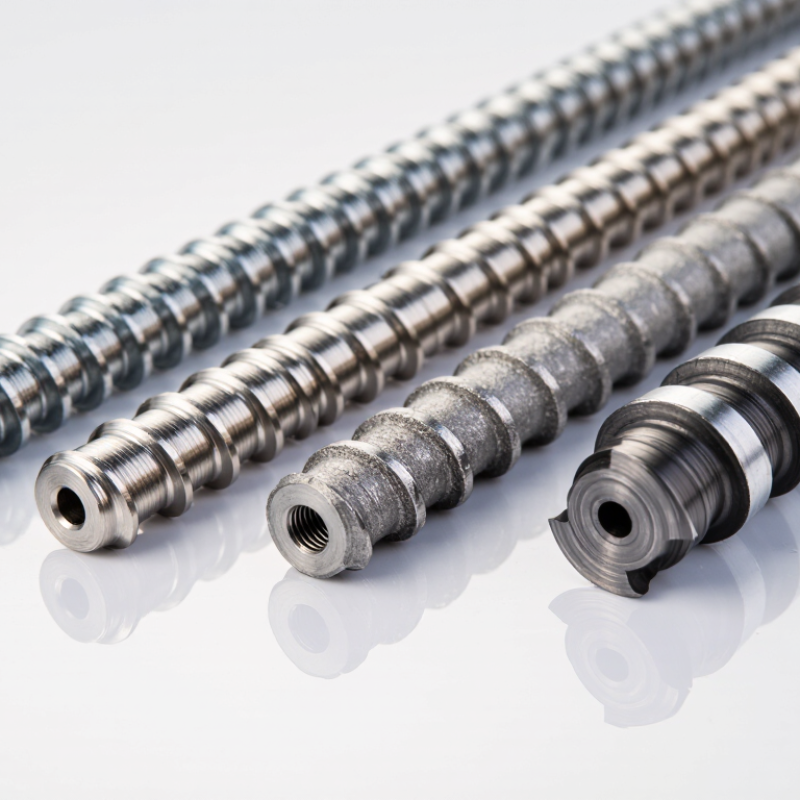
This guide introduces common Thread Rod types for international purchasing, including fully threaded rods, stainless steel rods, galvanized rods, and high-strength alloy steel options. Each type serves different conditions. Stainless steel 304 may suit general moisture exposure, while 316 often performs better near saltwater. Galvanized rods can offer practical corrosion protection for outdoor assemblies. Alloy steel rods, such as ASTM A193 Grade B7 products, require careful matching with nuts, washers, temperature conditions, and engineering requirements.

Reliable sourcing needs evidence, not confident wording. Buyers should request material test reports, dimensional inspection data, coating details, and batch traceability. Confirm whether measurements use metric or imperial threads. Check the thread pitch with a gauge, not only a ruler. Small differences matter.

No single type wins every project. That is the difficult part. A low unit price may hide higher installation or replacement costs. Supplier experience, packaging quality, export documentation, and technical communication also influence results. This overview helps procurement teams compare Thread Rod options more critically and select products suited to actual loads, environments, and project standards. Mistakes still happen, but careful verification makes them less expensive.
What Are the Top Thread Rod Types for Global Buyers?

How Are Thread Rods Classified by ASTM, ISO 898-1, and DIN Standards?

Thread rods are classified differently under ASTM, ISO 898-1, and DIN standards. Understanding this difference helps global buyers select suitable products for construction, machinery, and maintenance work.

ASTM usually identifies the material grade and service requirement. For example, ASTM A193 covers alloy and stainless steel fasteners for high-temperature or pressure equipment. ASTM A307 is commonly associated with general-purpose carbon steel fasteners. These grades may include different strength levels, coatings, and thread forms. The purchase specification should state diameter, thread pitch, length, grade, and surface treatment. A vague request for “ASTM thread rod” creates avoidable risk.

ISO 898-1 classifies carbon and alloy steel fasteners through mechanical property classes. Markings such as 4.6, 8.8, and 10.9 indicate tensile and yield performance. The first number relates to nominal tensile strength, while the second reflects the yield ratio. DIN 976-1 focuses more directly on threaded studs and rods, including dimensions, tolerances, and available property classes. However, DIN and ISO references should not be treated as identical. Their test methods, tolerances, and product scopes can differ. In practice, the boundary is not always neat.

Tips: Ask for a material certificate, tensile test report, and heat-lot traceability. Check thread gauges on sample pieces. Confirm whether the stated class applies to the full rod, not only the raw steel. Coating thickness can also affect thread fit. Small details matter. One overlooked tolerance may delay installation.

Which Thread Rod Grades Offer Tensile Strengths from 400 to 1,000 MPa?

What Are the Top Thread Rod Types for Global Buyers?

For thread rods between 400 and 1,000 MPa, grade selection matters more than surface appearance. ISO 898-1:2013 assigns property class 4.6 a nominal tensile strength of 400 MPa. Class 8.8 reaches 800 MPa, while class 10.9 reaches 1,000 MPa. These values describe minimum tensile performance, not guaranteed working loads.

ASTM data provides another useful comparison. ASTM A307 Grade A requires about 414 MPa minimum tensile strength. ASTM F1554 Grade 36 covers approximately 400 to 552 MPa, while Grade 55 reaches roughly 517 to 655 MPa. For higher loads, ASTM A193 B7 requires about 860 MPa minimum tensile strength. ASTM F1554 Grade 105 can reach approximately 862 to 1,034 MPa. However, heat treatment, thread depth, corrosion, and installation quality can reduce real performance. This is where many purchasing decisions become less certain.

Tips: Match the rod grade with the nut grade, design load, temperature, and corrosion exposure. Request mill certificates and independent test records. Check whether the quoted tensile value is minimum, nominal, or average. A 1,000 MPa label alone does not prove safe service. In field inspections, damaged threads often matter more than the catalog number. Rechecking the design assumptions is worthwhile.

What Are the Top Thread Rod Types for Global Buyers? - Which Thread Rod Grades Offer Tensile Strengths from 400 to 1,000 MPa?
Thread Rod Type Typical Standard Grade or Property Class Minimum Tensile Strength Common Material Typical Applications Buyer Selection Notes
General-Purpose Fully Threaded Rod ASTM A307 Grade A 60 ksi / 415 MPa Carbon steel Light structural connections, pipe supports, cable trays and general fastening Suitable for ordinary mechanical fastening where high-strength structural performance is not required.
Structural Anchor Rod ASTM F1554 Grade 36 58 ksi / 400 MPa Carbon steel Concrete foundation anchorage, columns, base plates and structural steel connections Designed for anchor-bolt applications; weldability is generally better than that of higher-strength grades.
High-Strength Anchor Rod ASTM F1554 Grade 55 75 ksi / 517 MPa Carbon steel Structural anchoring, equipment foundations and heavy base-plate connections Offers higher strength than Grade 36; verify welding and chemistry requirements before fabrication.
Heavy-Duty Anchor Rod ASTM F1554 Grade 105 105 ksi / 724 MPa Alloy steel Heavy structural columns, towers, bridges and high-load foundation systems Requires controlled installation, suitable nuts and washers, and attention to hydrogen-related risks during plating.
Alloy Steel Stud Rod ASTM A193 Grade B7 125 ksi / 860 MPa Chromium-molybdenum alloy steel Pressure vessels, flanges, valves, piping systems and high-temperature service A widely used high-strength stud specification; service temperature and corrosion conditions should be reviewed.
High-Temperature Stud Rod ASTM A193 Grade B16 145 ksi / 1,000 MPa Chromium-molybdenum-vanadium alloy steel Power-generation equipment, high-temperature piping and pressure-containing assemblies Selected for demanding elevated-temperature applications; heat treatment and traceability are important.
Stainless Steel Threaded Rod ISO 3506-1 A2-70 700 MPa Austenitic stainless steel, commonly 304 family Architectural hardware, food-processing equipment, general outdoor fastening and maintenance work Provides good general corrosion resistance; avoid using it where chloride exposure is severe without engineering review.
Marine-Grade Stainless Rod ISO 3506-1 A4-80 800 MPa Austenitic stainless steel, commonly 316 family Marine structures, chemical-processing equipment, coastal construction and outdoor installations Offers improved resistance to chlorides compared with A2 grades; galling control may be needed during assembly.
Metric Fully Threaded Rod ISO 898-1 Property Class 4.6 400 MPa Carbon steel General-purpose metric fastening, supports, brackets and non-critical assemblies Economical option for moderate loads; confirm compatibility with the selected metric nut class.
Metric High-Strength Threaded Rod ISO 898-1 Property Class 5.8 500 MPa Carbon steel Industrial equipment, machinery frames, mounting systems and medium-duty structural fastening Balances strength and cost for many standard metric applications.
Metric Structural Threaded Rod ISO 898-1 Property Class 8.8 800 MPa Medium-carbon or alloy steel Heavy machinery, structural assemblies, automotive equipment and high-load bolted joints Use matching class 8 nuts and suitable washers; avoid uncontrolled welding or heating.
Double-End Stud Rod ASTM A193 / ASME B18.31.2 B7, application-dependent 860 MPa Chromium-molybdenum alloy steel Flanged pipe joints, valve assemblies, engine housings and components requiring a projecting stud Useful where one end is installed into a tapped hole and the opposite end receives a nut; specify end lengths and thread forms.
Continuous Threaded Stud ASTM A193 / ASME B18.31.2 B7, application-dependent 860 MPa Chromium-molybdenum alloy steel Flange bolting, pipe clamps, pressure equipment and assemblies requiring adjustable engagement Allows nut positioning along the full length; specify diameter, pitch, length, coating and test documentation.
Tensile-strength values are minimum requirements stated or converted from the referenced standards. Actual product selection should also consider diameter, thread pitch, proof load, yield strength, temperature, corrosion environment, coating, nut compatibility and applicable certification requirements.

When Should Buyers Choose A307, A193, F1554, or Metric Class 8.8 Rods?

What Are the Top Thread Rod Types for Global Buyers?

Threaded rod selection should follow load, temperature, installation method, and regional standards. ASTM A307 Grade A offers a minimum tensile strength of 60 ksi, making it suitable for general construction and light fastening. It is economical, but not a high-strength solution. A193 Grade B7 reaches 125 ksi minimum tensile strength and 105 ksi yield strength, according to ASTM requirements. Buyers often specify it for elevated-temperature or pressure-related assemblies, where ordinary carbon steel may be inadequate.

Choose F1554 when the rod will anchor structural steel, equipment, or concrete-supported frames. Its grades are defined by yield strength: Grade 36 provides 36 ksi, while Grade 105 provides 105 ksi. The marking and weldability requirements matter. A rod that looks correct may still fail document review. Metric Class 8.8 rods provide 800 MPa nominal tensile strength and approximately 640 MPa yield strength under ISO 898-1. They suit machinery and construction systems designed around metric hardware.

Global steel production reached about 1.89 billion tonnes in 2023, reported the World Steel Association. That scale supports broad availability, but availability is not compatibility. Buyers should confirm thread pitch, coating, nut grade, heat treatment, and mill certificates before shipment. Mixing imperial and metric threads is an obvious error. Less obvious is choosing A307 for a cyclic load because the price looked attractive. That decision deserves a second review. Temperature, corrosion exposure, and tightening control can change the correct answer.

How Do Zinc, Hot-Dip Galvanized, and Stainless Coatings Resist Corrosion?

What Are the Top Thread Rod Types for Global Buyers?

Corrosion resistance often decides whether a threaded rod performs for years or fails early. Zinc-plated rods use a thin sacrificial layer. Zinc corrodes before the steel core does, making this option suitable for dry interiors and controlled warehouse conditions. However, moisture can produce white rust, especially when packaging traps condensation. The protection is useful, but limited.

Hot-dip galvanized rods receive a thicker zinc coating after immersion in molten zinc. The bonded layers provide stronger outdoor protection than ordinary zinc plating. They suit construction sites, utility structures, and damp industrial areas. Thread dimensions may change slightly after galvanizing. Use compatible nuts and verify fit before installation. Salt exposure still demands caution.

Stainless steel is different. It is not simply a coating. Its chromium-rich surface forms a passive film that repairs itself when oxygen is available. Grade 304 works well in many indoor and mild outdoor environments. Grade 316 generally offers better resistance around chlorides, coastal air, and de-icing salts. Yet stainless steel can pit in harsh conditions. Better does not mean invincible.

A practical selection starts with humidity, salt, temperature, and maintenance access. Ask for coating thickness records, material certificates, and test data. Salt-spray results alone can mislead. I have seen buyers choose the most expensive option, then ignore crevices and damaged threads. That decision still failed. Small scratches, trapped water, and mixed metals deserve equal attention.

What Are the Top Thread Rod Types for Global Buyers?

Hot-dip galvanized threaded rods typically provide a thicker zinc layer than electro-zinc-plated rods, offering stronger sacrificial protection in outdoor and humid environments. Stainless steel threaded rods have no applied coating; their corrosion resistance comes from the chromium-rich passive film in the alloy, with 316 stainless generally outperforming 304 in chloride-rich conditions.

Note: The chart shows representative protective-layer thicknesses, not guaranteed service life. Actual corrosion performance depends on coating quality, environment, humidity, salt exposure, installation damage, and stainless-steel grade.

Which Thread Sizes, Pitch Systems, and Certifications Suit Global Projects?

Global buyers often choose thread rods by thread size, pitch system, strength class, and documentation. Metric rods such as M6 × 1, M8 × 1.25, and M10 × 1.5 suit many international projects. Coarse pitches are practical for general assembly and tolerate minor damage. Fine pitches provide better adjustment and clamping control. They may need cleaner threads.

Imperial projects commonly specify 1/4-20 UNC, 3/8-16 UNC, or 1/4-28 UNF. UNC works well for structural fastening. UNF can support precise adjustment and higher tensile engagement. Mixing metric and imperial hardware is risky, even when diameters look similar. Always confirm the engineering drawing, nut compatibility, and actual pitch gauge reading.

Material standards also matter. Carbon steel rods may require strength testing under ISO 898-1, while high-temperature assemblies can specify ASTM A193 requirements. Stainless options may use grades such as A2-70 or A4-80, depending on corrosion exposure. Ask for an EN 10204 3.1 inspection certificate when traceability is important. ISO 9001 supports process reliability, but it does not replace product testing. I have seen buyers trust certificates too quickly. That is worth reconsidering. Confirm heat numbers, coating details, test results, and the destination market’s requirements before production.