801-613-2759 sale@jfitzelectrical.com

How to Choose the Best Electrical Installation Ideas

Choosing the right electrical installation ideas starts with how a space is actually used. A kitchen counter needs accessible outlets for everyday appliances, while a reading corner may benefit from layered lighting and a switch within easy reach. Good planning considers comfort, appearance, energy use, and safety together. It also looks beyond the room’s current furniture. A desk may move; a family’s needs may change.

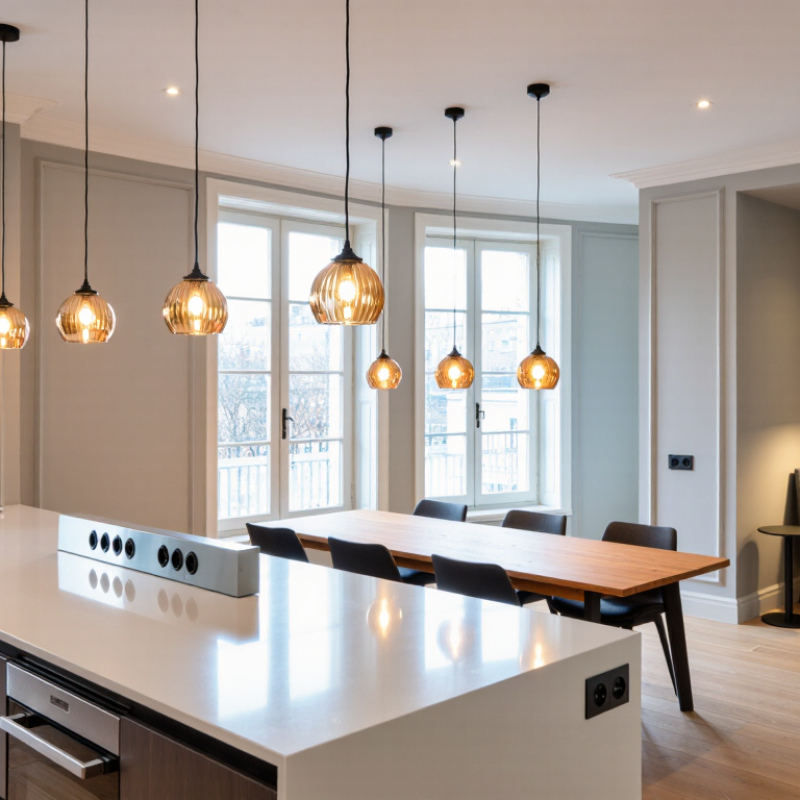
The best ideas are not always the most elaborate. A warm pendant above a dining table can make the room feel inviting, while discreet task lighting can reduce shadows on a work surface. Small details matter. So do practical questions: Is the circuit suitable for the expected load? Are outlets placed where cords will not cross walkways? Will the fittings work with the chosen bulbs and controls? This guide explores those decisions and helps compare options for different rooms, budgets, and design styles. It cannot replace a site assessment, and a sketch may miss constraints hidden behind a wall. That is worth admitting.

For installation or changes to fixed wiring, consult a qualified electrician and follow applicable local requirements and manufacturer instructions. Electrical rules vary by location, and safe solutions depend on the building and existing system. A polished plan should leave room for professional advice. Even so, thoughtful preparation helps you ask clearer questions, avoid costly redesigns, and choose details that feel right in daily life.
How to Choose the Best Electrical Installation Ideas

Identify Electrical Needs and Installation Goals

How to Choose the Best Electrical Installation Ideas

Identify Electrical Needs and Installation Goals

Start with the rooms you use most and note what happens there each day. In a kitchen, list countertop appliances, task lighting, and the spots where chargers tend to gather. In a home office, consider monitors, a printer, and evening video calls. Small details matter. A socket hidden behind a desk can quickly become inconvenient.

Next, separate essential needs from upgrades you would simply enjoy. You may need brighter hallway lighting, or you may want dimmers for a softer feel at night. Think about future changes too, such as adding a freezer or converting a spare room into a workspace. Avoid guessing about circuit capacity. A qualified electrician can assess existing wiring and recommend suitable options for the property.

Write down where you want outlets, switches, lights, and any dedicated connections. A rough room sketch helps; mark furniture, doorways, and counters so placements make sense in daily use. Set a realistic budget, but leave room for changes after an inspection. Plans can look perfect on paper. Then a wall, an old junction, or an unexpected wiring condition changes the picture. Share your priorities with the electrician, and ask which choices affect safety, access, or future maintenance.

Assess the Site, Existing Wiring, and Local Requirements

How to Choose the Best Electrical Installation Ideas

Assess the room before choosing fixtures or outlets. Note where people work, walk, and use appliances. A kitchen counter may need well-placed outlets, while a damp utility area calls for suitable protective equipment. Check the panel’s location, ceiling height, and access routes. A narrow wall can limit wiring paths. Small details matter.

Tips: Photograph existing outlets, switches, and the electrical panel before planning changes. Record visible wire condition and any labels, but do not remove covers or touch exposed wiring. If you notice scorching, loose fittings, or a burning smell, stop and contact a qualified electrician. A quick sketch helps, even if it is not perfect.

Existing wiring affects what can be added safely. Older circuits may lack capacity, grounding, or protection required for new loads. Have a qualified electrician inspect the system before making decisions. Then check local building and electrical requirements, which can vary by area and project. Permits or inspections may be needed. Confirm details with the relevant local authority rather than relying on online advice alone. It is easy to overlook one rule; that is worth double-checking.

Compare Suitable Electrical Installation Options

Compare installation options by looking at the building, the finish you want, and how easily the wiring may need to change. Concealed wiring suits new construction or major renovations: cables run inside walls, leaving a clean appearance. The trade-off is disruption when walls are already finished. Surface-mounted conduit is easier to inspect and adapt, especially in garages, workshops, or utility rooms. It is visible, though, and can look out of place in a quiet living space. Looks tidy. Not always simple.

For offices or larger utility areas, cable trays can keep several runs organized and accessible. They need adequate support and careful routing, so an electrician should check the layout and expected electrical load. A common surprise is that the shortest route is not always the safest or easiest to maintain. For a small retrofit, compare the cost of opening and repairing walls with the appearance of conduit. Also ask how each option handles future additions, damp locations, and required protective devices. Local electrical requirements vary, so have a qualified electrician assess the site before choosing. I would avoid deciding from appearance alone; that can mean rework later.

Evaluate Safety, Energy Efficiency, and Long-Term Costs

Choose electrical installations by balancing safety, energy use, and service life—not just the initial quote. Before adding outlets or high-load appliances, ask a qualified electrician to check panel capacity, grounding, and circuit protection. The National Fire Protection Association advises safe installation and maintenance. Warm outlet plates, flickering lights, or a burnt-plastic smell deserve prompt inspection. Small clues matter.

Energy data can reshape the budget. The U.S. Department of Energy reports that LED bulbs use at least 75% less energy and last up to 25 times longer than incandescent bulbs. Compare purchase and labor costs with electricity use, likely replacements, and maintenance over ten years. Use your actual utility rate and estimated hours of use. A kitchen light used nightly may justify a different choice from a closet light used briefly. These estimates are imperfect; future renovations and changing habits can shift the calculation.

Tips: Request an itemized quote, including materials, labor, and expected maintenance. Ask how each option affects energy use and whether existing wiring needs upgrades. Keep the answers in writing. It helps later.

Choose a Qualified Electrician and Finalize the Installation Plan

Choosing a qualified electrician is as important as choosing fixtures or finishes. Ask whether the electrician holds required local credentials and carries appropriate insurance. Request references for projects with similar wiring needs, such as adding kitchen circuits or outdoor lighting. During the site visit, point out appliances, dimmer switches, and places where you need outlets. Show the electrical panel and mention any breakers that trip or lights that flicker. Small details matter.

Before work begins, request a written plan that lists the work, materials, estimated cost, and expected timeline. It should identify circuit changes, outlet locations, and how power will be shut off during installation. Ask how the electrician will protect floors and furniture, and who arranges any required inspection. That matters. A clear schedule helps you plan around noisy work or temporary loss of power. An older home can hide surprises behind plaster, so ask which assumptions could change the price. I would not treat a quick estimate as a complete plan; get uncertain items clarified in writing before approving the work.