801-613-2759 sale@jfitzelectrical.com

Why Choose a Flexible Feeding System for Your Factory?

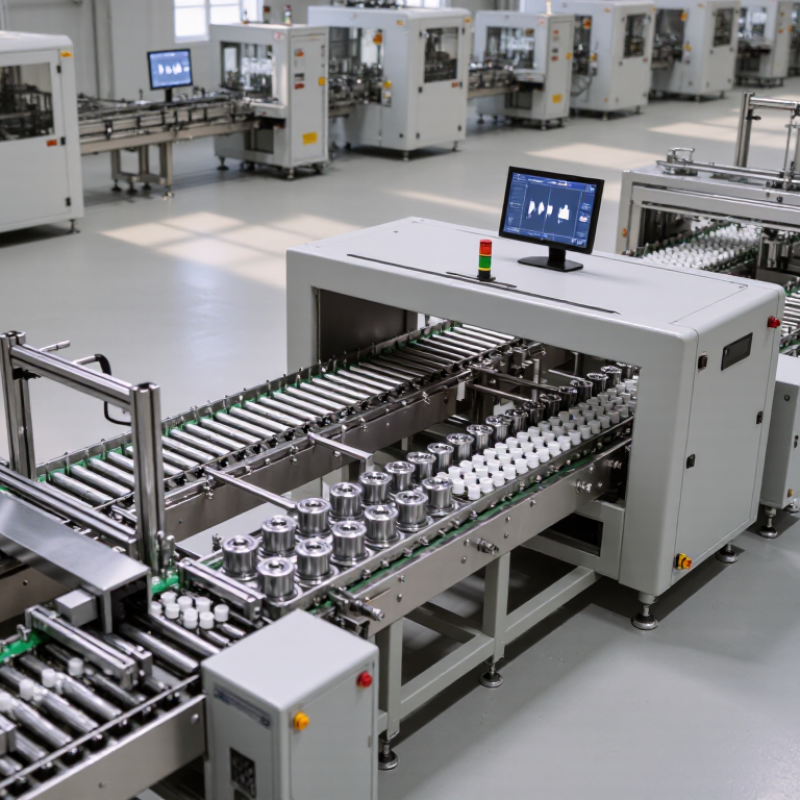
A factory line rarely handles just one product for long. Today, a feeder may deliver small plastic caps; tomorrow, it may need to handle heavier metal components. A Flexible Feeding System can help manage these changes by adjusting how parts are oriented, separated, and presented to downstream equipment. Configurable tracks, sensors, and controlled vibration can keep components moving toward a pick-up point without relying on constant manual sorting. Less rework. More consistent flow.

The benefit is not flexibility for its own sake. A well-matched system can reduce changeover effort, protect product quality, and make better use of floor space. Operators can adjust settings for different part sizes, while sensors help detect empty tracks or interruptions before they disrupt an entire line. Still, those gains depend on careful design. Parts with tangled shapes, delicate surfaces, or inconsistent dimensions may need testing before a feeder can handle them reliably. That part is easy to underestimate.

When comparing options, consider the actual parts, required production rate, cleaning needs, and integration with existing machines. Ask suppliers how changeovers are performed and what routine maintenance involves. A flexible feeder is not automatically the right answer for every factory. If production remains stable and part variation is low, a simpler system may be more practical. The useful question is whether the equipment can adapt to real production demands—not just a promising demonstration.
Why Choose a Flexible Feeding System for Your Factory?

What Is a Flexible Feeding System?

A flexible feeding system moves loose components from a hopper or tray to a machine in a known position. Depending on its design, cameras, programmable controls, and adjustable tracks help identify, orient, and release different part types. It may use recipes, change parts, or modular feed units instead of one fixed bowl and rail. That makes changeovers more practical when a line handles several products.

Not automatic magic.

On a real line, switching from black plastic clips to metal pins may require a new tray, track, and sensor settings. Operators can verify spacing and orientation at the handoff, rather than simply trusting the display. A well-matched system can reduce manual sorting and support steadier cycle times, but performance depends on part shape, surface, and variation. Parts still jam. The first setup is rarely perfect; awkward samples often reveal what the specification missed. An engineer should test representative parts, including scratched or slightly warped pieces, before setting production targets. Frequent recipe changes may add setup work, while delicate components may need gentler handling than a standard feeder provides.

How Does a Flexible Feeding System Work?

A flexible feeding system turns a bin of randomly oriented parts into repeatable robot picks. Components move from a hopper onto a vibratory surface or flexible tray. A camera captures their positions and orientations. Control software identifies usable parts and sends coordinates to the robot. The robot picks one, while the system checks the remaining parts and updates its view. Then the robot picks again. It sounds simple.

In practice, parts can overlap, stick together, or arrive oily. A vision system cannot fix every presentation problem. Engineers often tune vibration, lighting, camera angles, and pick points for the actual parts—not just the drawings. During a changeover, operators select a stored recipe or adjust settings for a new component. Tracking mis-picks and changeover time helps reveal whether the system is truly flexible.

The International Federation of Robotics’ World Robotics 2024 report recorded 541,302 industrial robot installations worldwide in 2023, with 4,281,585 robots operating in factories. These figures show the scale of industrial automation, not the performance of any particular feeding system. For a factory trial, measure pick success, jams, and time needed to switch parts. The first setup may take longer than expected. That matters.

Which Factory Tasks Benefit from Flexible Feeding?

Why Choose a Flexible Feeding System for Your Factory?
Which Factory Tasks Benefit from Flexible Feeding?

Flexible feeding is useful when parts vary in shape, size, or orientation between production runs. Small stamped components may arrive nested, while plastic caps can roll or overlap. A configurable feeder can adjust tracks, settings, or presentation patterns without rebuilding the entire line. This helps with assembly, inspection, packaging, and machine tending. Changeovers still take time.

Factories with frequent product changes may benefit most. An operator might switch from short pins to longer sleeves, then adjust guides and sensors for reliable pickup. Flexible systems also suit robotic lines that need parts presented consistently. At inspection stations, orderly spacing can reduce missed readings and unnecessary stops. But flexibility is not magic. Oily, delicate, or irregular parts may need dedicated tooling. It is easy to overestimate how quickly a new part will run, so test each part family at real production speeds.

Tips: Keep samples of every part variation. Test the most awkward shape, not just the easiest. Record settings and changeover times; those notes can expose recurring problems.

Why Choose a Flexible Feeding System for Your Factory? — Which Factory Tasks Benefit from Flexible Feeding?

Factory Task Typical Parts or Materials How Flexible Feeding Helps Common Applications Useful Performance Measures
Loading parts for assembly Small housings, clips, connectors, fasteners Separates and presents parts in a consistent orientation, reducing manual sorting and supporting changes between part types. Electronics assembly, appliance production, automotive component assembly Parts presented per minute; orientation accuracy; changeover time
Machine tending Machined blanks, molded components, small metal parts Supplies parts to a machine in an orderly sequence and can accommodate different part geometries with suitable recipes or tooling. CNC machining, injection molding, automated inspection Machine uptime; successful pick rate; operator interventions
Packaging and kitting Caps, closures, small accessories, packaged components Feeds items into counting, grouping, or packaging operations while making it easier to switch between product variants. Consumer goods packaging, hardware kits, medical product packaging Correct count per pack; feed interruptions; product changeover time
Inspection and testing Components requiring visual, dimensional, or functional checks Spaces and presents parts for repeatable inspection, helping reduce overlapping parts and inconsistent presentation. Quality-control stations, optical inspection, electrical testing Inspection throughput; presentation consistency; rejected-part handling
Sorting and variant separation Parts that differ by size, shape, color, or feature Works with sensors and control systems to direct identified parts to the appropriate process or output lane. Component sorting, product grading, mixed-part recovery Sorting accuracy; misroutes; number of supported variants
Feeding delicate or easily marked parts Polished, coated, lightweight, or fragile components Can be configured with suitable contact surfaces, feed rates, and handling methods to limit part-to-part contact and damage. Cosmetic components, precision parts, coated hardware Surface-damage rate; feed stability; usable-part yield
Supporting high-mix, low-volume production Multiple part families produced in smaller batches Allows a production cell to handle product variation with less reliance on dedicated feeding equipment for every part type. Contract manufacturing, customized products, pilot production Changeover duration; setup effort; time spent running production
Supplying robotic pick-and-place cells Small components suitable for robotic pickup Creates a predictable presentation area so a robot can identify and pick parts for downstream operations. Assembly cells, palletizing of small items, automated loading Robot pick success; cycle time; parts available at the pickup area

What Advantages Can Flexible Feeding Systems Provide?

Why Choose a Flexible Feeding System for Your Factory?

What Advantages Can Flexible Feeding Systems Provide?

A flexible feeding system presents different components without rebuilding an entire production station. This helps when product mixes shift, batches shrink, or several part types share a line. Small details matter. Vision-guided sorting can orient mixed components, while stored recipes make repeat jobs easier to restart. Operators may spend less time hand-sorting parts and changing dedicated tooling. The scale of automation is growing: IFR’s World Robotics 2024 report counted 4,281,585 industrial robots operating worldwide in 2023. That figure shows adoption, not guaranteed savings from any single feeder.

Flexible feeding can also help factories manage labor pressure. A 2021 Manufacturing Institute and Deloitte report estimated that up to 2.1 million U.S. manufacturing jobs could go unfilled by 2030. Automating repetitive part orientation may free workers for inspection, replenishment, and exception handling. It does not remove the need for trained operators. Flexibility has limits. Poorly tuned tracks can cause jams, and delicate components may need gentle contact surfaces.

Before choosing equipment, test actual parts across their size and finish variations. Record misfeeds, changeover time, cleaning effort, and replenishment frequency during the trial. A feeder that handles one sample perfectly may struggle with dusty parts or inconsistent batches. Pilot on one line. Use the results to set realistic output targets before expanding to other stations.

Why Choose a Flexible Feeding System for Your Factory?

Global Industrial Robot Installations (2019–2023)

Flexible feeding systems can help factories automate the handling and presentation of different parts. Global robot installations provide context for the broader adoption of industrial automation; these figures do not measure the performance of flexible feeding systems specifically. Results depend on the application and should be evaluated using plant-level data.

Source: International Federation of Robotics (IFR), World Robotics reports.

How Should a Factory Choose and Integrate a Feeding System?

Choosing a factory feeding system starts with the material, not the machine. Check particle size, moisture, flow behavior, and the amount needed per hour. A dry pellet may move smoothly, while a fine powder can bridge inside a hopper. That difference matters. Record actual production rates across several shifts, including changeovers and short runs. A system sized only for peak output may waste floor space and energy.

Next, map the route from storage to each production machine. Measure distances, ceiling height, access points, and cleaning space. Ask operators where spills or blockages occur today. Then compare feeding options against those real constraints, including how easily settings can change between products. Before full installation, test representative materials at expected rates. Confirm that sensors, controls, and existing equipment can communicate reliably. A small trial can reveal problems that drawings miss.

Integration needs a practical handover. Define who adjusts feed rates, clears alarms, and cleans contact surfaces. Train operators using normal production tasks, not only a presentation. Track feed consistency, downtime, and material loss during the first weeks. Some flexibility has a cost: extra valves and controls can add maintenance work. I would not assume every future product needs to be accommodated; forecasts are imperfect. Leave room for likely changes, then verify the design against actual operating data.