
What Are the Best Solar Energy Applications in 2026?
In 2026, solar energy applications reach well beyond panels on rooftops. They power homes, factories, farms, remote clinics, and large grid-connected projects. Some systems pair panels with batteries, helping households use midday electricity after sunset. Others place elevated panels above crops, where farmers can produce food and power on the same land. The shift is visible. Yet no single design suits every place. Shade, roof strength, local weather, grid access, and upfront cost all change what works.
“Solar is the new king of electricity markets around the world,” said Fatih Birol, Executive Director of the International Energy Agency. His remark captures solar’s growing importance, but practical decisions still need careful attention. This guide explores the leading solar energy applications in 2026, from residential and commercial systems to agrivoltaics, solar-powered transport, and off-grid installations. It also considers newer uses, including solar heat for buildings and industry. Performance claims deserve scrutiny. A panel’s rated output does not tell the whole story; installation quality, storage, maintenance, and local conditions matter too. I have seen solar discussions focus heavily on efficiency figures, while overlooking who will repair a system years later. That concern is easy to miss. The sections ahead compare benefits, limitations, and real-world fit, so readers can judge where solar offers value—and where expectations may need adjusting.
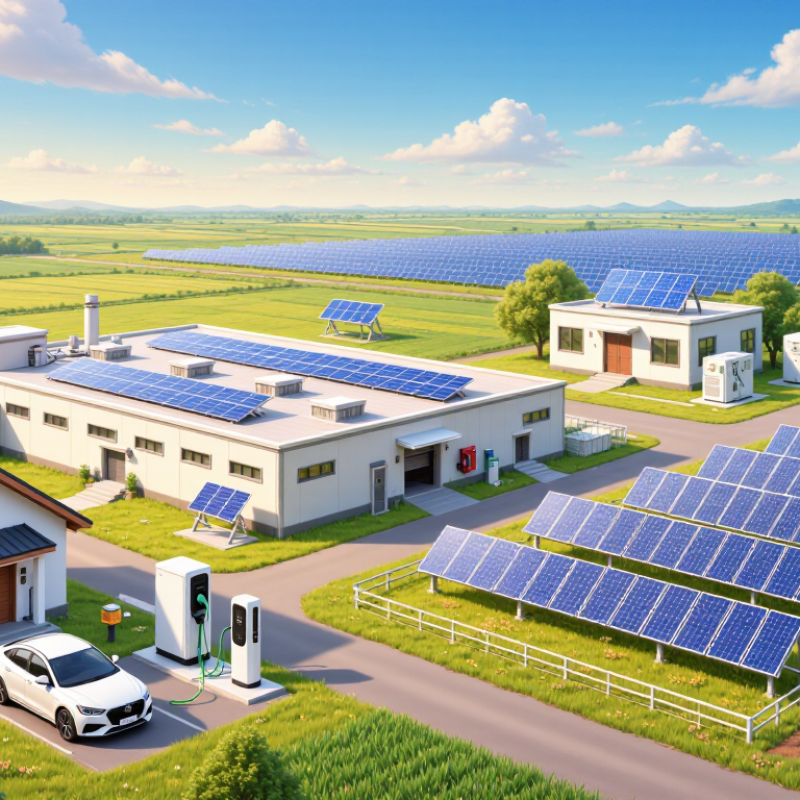
Solar Energy Applications and Core Technologies in 2026
What Are the Best Solar Energy Applications in 2026?
Solar Energy Applications and Core Technologies in 2026
In 2026, solar power is most useful when generation, storage, and local demand work together. Rooftop photovoltaic panels supply homes, offices, and warehouses during daylight. Inverters convert their direct current into electricity used by buildings. Modern systems can also track output and flag faults, though performance still depends on shade, roof angle, and maintenance. Details matter.
Battery storage holds surplus power for evening use or brief grid interruptions. Smart controls can shift flexible loads, such as water heating or vehicle charging, toward sunny hours. In some buildings, solar thermal collectors provide hot water, while heat pumps use solar electricity for space heating and cooling. These technologies can reduce reliance on grid power, but results vary with climate, insulation, and household routines.
Beyond rooftops, agrivoltaic systems place elevated panels above selected crops or grazing areas. They may provide shade while producing electricity, but crop responses differ by species and site. Community microgrids can combine solar, batteries, and other local resources for schools, clinics, or remote settlements. Not always. Upfront costs, equipment replacement, and seasonal variation remain practical constraints, so careful site assessment matters more than choosing the newest technology.
| Application | Core Technologies | Typical Performance or Operating Range | Best-Fit Use Case | Key Benefit | Important Consideration |
|---|---|---|---|---|---|
| Utility-scale solar power | Ground-mounted photovoltaic (PV) modules, inverters, grid connection, and often single-axis trackers. | Commercial PV modules commonly convert about 20–23% of incoming sunlight into electricity. Trackers can increase energy production compared with fixed-tilt systems, with the gain depending on location and design. | Large, sunny sites with suitable land, transmission access, and a grid able to accept the output. | Produces large quantities of electricity and can be deployed in modular phases. | Output varies with sunlight and weather; land use, transmission capacity, and storage or other balancing resources may be important. |
| Commercial and residential rooftop PV | Rooftop PV modules, string or microinverters, mounting systems, and optional battery storage or energy management controls. | Module efficiency is commonly around 20–23% for current commercial products. Actual electricity production depends on roof orientation, shading, local weather, and system losses. | Homes and businesses with suitable roof area and daytime electricity use. | Generates electricity close to the point of use and can reduce purchases from the grid. | Roof condition, shading, local interconnection rules, tariffs, and the timing of electricity demand affect project value. |
| Solar-plus-storage systems | PV modules combined with battery energy storage, power conversion equipment, and controls. | Battery duration is selected for the intended service; systems are commonly designed for a few hours of discharge rather than continuous, multi-day supply. | Sites needing evening power, backup capability, peak-demand management, or better alignment between solar generation and electricity use. | Shifts some solar electricity to later hours and can provide specific grid or backup services. | Battery cost, usable capacity, round-trip losses, safety requirements, and operating strategy should be included in system design. |
| Agrivoltaics | Elevated or spaced PV arrays designed to share land with crops, grazing, or other agricultural activity. | Performance depends on array height, spacing, crop type, shade pattern, and local climate; there is no single yield or crop-output figure applicable to every site. | Farms where energy production can coexist with continued agricultural use. | Can combine electricity generation with agricultural land use and, in some settings, provide useful shade. | Array design should be matched to agricultural operations, equipment access, crop-light requirements, and local permitting. |
| Floating solar PV | PV modules installed on buoyant platforms, with anchoring, electrical cabling, and grid connection. | Electrical output is determined by the PV system and site conditions. Any cooling-related performance effect is site-specific and should be verified rather than assumed. | Suitable reservoirs, water-treatment ponds, or other managed water bodies with adequate access and grid proximity. | Uses water surfaces instead of additional ground area and may reduce direct sunlight exposure on parts of a water body. | Anchoring, water-level changes, corrosion, ecological impacts, maintenance access, and water-body regulations require assessment. |
| Concentrating solar power (CSP) | Mirrors concentrate sunlight to heat a working fluid; thermal storage can retain heat for later electricity generation. | Requires strong direct sunlight. Thermal storage is commonly specified in hours of rated output, with project designs varying according to the desired operating period. | High-direct-solar-resource locations where dispatchable, heat-based electricity generation is valuable. | Thermal storage can extend electricity production beyond the hours of direct sunshine. | Generally less suitable in cloudy regions; projects also require careful consideration of water needs, land, and construction complexity. |
| Solar water heating | Flat-plate or evacuated-tube collectors, a hot-water storage tank, circulation controls, and backup heating. | The solar contribution to hot-water demand varies with climate, system size, usage, and season; backup heating is commonly retained. | Homes, hotels, healthcare facilities, and other buildings with regular hot-water demand. | Uses collected solar heat directly, avoiding the conversion of sunlight to electricity for water heating. | Collector orientation, freeze protection, water quality, maintenance, and seasonal demand affect performance. |
| Industrial solar process heat | Solar thermal collectors or concentrating collectors integrated with heat exchangers, thermal storage, and existing process-heating equipment. | Suitable temperature depends on collector technology and process design; non-concentrating collectors are generally used for lower-temperature heat, while concentrating systems can serve higher-temperature applications. | Industrial processes with predictable daytime heat demand, such as washing, drying, preheating, or hot-water production. | Can reduce fuel use for suitable heat loads and supply heat directly to a process. | Integration must account for operating schedules, required temperatures, available roof or land area, and backup heat supply. |
| Building-integrated photovoltaics (BIPV) | PV materials incorporated into building elements such as façades, roofs, canopies, or glazing. | Electrical performance depends on the PV product, orientation, shading, and building design; vertical façades generally receive a different solar resource than optimally tilted arrays. | New construction or major renovations where energy-producing building materials can be included from the design stage. | Combines building-envelope functions with on-site electricity generation. | Electrical output must be balanced with structural, fire, weatherproofing, daylighting, and maintenance requirements. |
Data note: Performance ranges are indicative technology-level values, not guarantees for a specific project. PV module efficiency refers to the module’s conversion of sunlight under standard test conditions, not the efficiency of the entire installed system. Site assessment and local regulations determine actual performance and suitability.
Related Posts
-
Top Renewable Energy Solutions for 2026 to Watch Out For?
-
China Top Sustainable Energy Solutions Suppliers?
-

Best Electrical Installation Ideas for Home and Office?
-
China Top 10 Energy Efficiency Solutions for Global Buyers
-
What Are the Best Electrical Installation Ideas?
-

Top 10 Electrical Troubleshooting Tips for Global Buyers?