Choosing the right outdoor electrical solutions is rarely as simple as comparing prices. Global buyers must examine climate, voltage, installation practices, certification requirements, and long-term maintenance. A product that performs well in a dry European garden may fail beside a humid coastline. Small details matter. Think sealed cable glands, stainless-steel screws, UV-resistant insulation, and drainage paths that prevent trapped water.
Mike Holt, a respected electrical educator and founder of Mike Holt Enterprises, has repeatedly emphasized a practical rule: “Safety is not an option; it is a requirement.” That principle guides this overview of the seven best outdoor electrical solutions for international projects. The selection considers outdoor lighting, weatherproof sockets, landscape power systems, smart controls, surge protection, portable power, and renewable options. Each category is assessed through practical factors, including ingress protection ratings, grounding, thermal performance, installation access, and replacement costs.
Real projects often expose weaknesses that product brochures overlook. A box may carry an impressive IP rating, yet poor installation can still invite moisture. A cheaper fitting may also create higher labor costs later. That deserves attention. Buyers should compare verified test reports, warranty terms, spare-part availability, and supplier experience in similar environments. Standards differ between markets, and assumptions can become expensive. This guide aims to support careful decisions with evidence, technical judgment, and realistic expectations. No solution is perfect. The best choice is the one that remains safe, serviceable, and dependable after years of weather, use, and occasional human error.
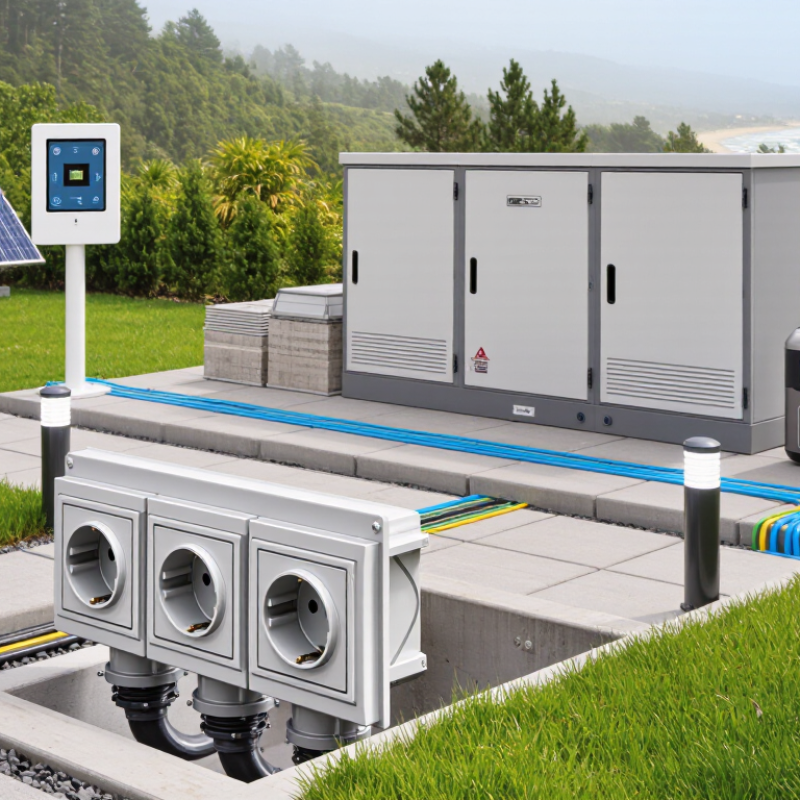
7 Best Outdoor Electrical Solutions for Global Buyers
How to Compare Seven Outdoor Electrical Solutions Using IEC 60529 IP Ratings
Outdoor electrical products face rain, dust, spray, and accidental water contact. The IEC 60529 IP rating offers a useful comparison, but it is not a complete performance guarantee. Compare outdoor enclosures, junction boxes, sockets, cable glands, lighting fixtures, control cabinets, and charging connectors by their first and second IP digits. The first digit measures solid-particle protection. The second measures water resistance. Read the full code.
For example, IP44 protects against objects above one millimeter and splashing water. IP65 is dust-tight and resists water jets. IP66 handles stronger jets, while IP67 supports temporary immersion under specified conditions. IP68 requires the supplier to state the tested immersion depth and duration. A higher rating can still be unsuitable. A sealed lighting fixture may resist rain but overheat in direct sunlight. A cable gland may meet IP68 only with the correct cable diameter and installation torque.
Check the test conditions carefully. Ask for the declaration of conformity, test standard, operating temperature, UV resistance, corrosion data, and impact rating. Field inspections often find loose covers, damaged gaskets, or unused cable entries. Small gaps matter. Fit matters more than labels alone. Salt air, freezing temperatures, and frequent maintenance can also reduce protection over time. I would not select IP ratings from a product table alone. Site exposure, mounting position, cleaning methods, and local electrical requirements deserve equal attention. Some specifications remain unclear, and that uncertainty should be recorded before purchasing.
For global buyers, IP65–IP68 enclosures offer practical protection against dust and water exposure. IEC 60529 defines IP6X as dust-tight, with no harmful dust entering the enclosure. IPX5 withstands water jets, while IPX6 handles powerful water jets. This matters near coastal equipment, outdoor control panels, and irrigation systems.
IP67 supports temporary immersion up to one metre for 30 minutes under standard test conditions. IP68 provides protection during deeper or longer immersion, but the exact depth and duration must be stated by the supplier. It is not automatically “waterproof forever.” ISO 20653 also uses immersion and water-jet tests for vehicle electrical equipment, showing how exposure conditions affect enclosure selection.
Check the cable glands, door seals, drain plugs, and mounting surfaces—not only the rating label. A field inspection may reveal a compressed gasket or a poorly tightened connector. Small details matter. IP ratings describe tested conditions, not every installation environment. Salt spray, ultraviolet exposure, temperature cycling, and pressure washing can still shorten service life. IEC 60529 testing is useful, but real sites are messier. A higher rating may be unnecessary, too. Choose the enclosure after measuring actual water pressure, immersion risk, maintenance access, and cable entry points.
For global buyers, outdoor electrical solutions should begin with energy performance, not appearance. LED outdoor lighting can use at least 75% less energy than incandescent lamps for similar brightness. This difference becomes significant across parking areas, walkways, gardens, and loading zones. A 100-watt incandescent fixture may need a 25-watt LED replacement, depending on lumen output and optical design. Less heat also reduces stress on nearby fittings.
Field assessments show that installation details matter. Choose fixtures with suitable weather protection, such as IP65 or higher for exposed locations. Add photocells, timers, or motion sensors where practical. These controls prevent lights from running through empty streets at noon. Use surge protection in areas with frequent storms. Wiring, grounding, and safety certification must match the destination country’s requirements.
Color temperature deserves attention. A cool white lamp may improve visibility, but it can feel harsh near homes. Warm white often suits hospitality spaces and residential paths. I have seen projects focus too heavily on wattage and ignore glare. That mistake remains common. LED systems are efficient, but they are not automatically perfect. Poor heat management, weak drivers, or incorrect voltage can shorten service life. Buyers should compare measured lumens, operating temperatures, warranty terms, and replacement access before approving a shipment.
Electricity use for comparable 800-lumen lamps: a 60 W incandescent lamp versus a 9 W LED lamp.
At 3 hours of use per day for 365 days, the incandescent lamp uses about 65.7 kWh per year, compared with 9.9 kWh for the LED—an estimated 85% reduction. Actual wattage and savings vary by lamp.
Outdoor sockets, garden lighting, and portable tools can face rain, damp soil, and damaged cables. A 30 mA residual current device (RCD) monitors the electrical flow and can disconnect power when it detects leakage. This may reduce the risk of severe electric shock, but it cannot prevent every accident. Water still finds its way into places you did not expect. Use outdoor-rated equipment, keep connections raised from puddles, and have installations checked by a qualified electrician. A cracked cable near a wet lawn deserves attention, not a quick wrap of tape.
Tips: Test an RCD using its test button as directed by the manufacturer. Check it regularly, and replace damaged plugs or enclosures. Make sure the device is suitable for the circuit and outdoor conditions. Small details matter. An RCD is a safety layer, not permission to handle equipment with wet hands or ignore unusual tripping. If it trips repeatedly, stop using the affected equipment and ask a professional to investigate. That extra check can feel inconvenient, but guessing is worse.
Outdoor cable selection starts with sunlight exposure. UV-resistant insulation helps limit cracking and fading on rooftops, garden equipment, and exposed cable runs. For installations requiring up to 1,000 V, check the cable’s voltage rating against the equipment and system design. The rating alone does not confirm suitability for every outdoor condition. Look for clear specifications covering temperature range, moisture exposure, and mechanical protection.
A practical detail matters: a cable may pass through a sunny section, then enter a damp conduit or rub against a sharp bracket. Protect vulnerable points with suitable glands, conduits, or supports. Keep connections raised from standing water where the installation allows. Inspect exposed runs for abrasion and loose fixings. Small flaws can be easy to miss.
Tips: Confirm the cable’s UV rating and voltage rating on its product documentation. Match its size and installation method to the load and conditions. Ask a qualified electrical professional to verify the design. I would not rely on appearance alone; even a tough-looking jacket can hide the wrong specification.